

The ’80s AI Photo Trend: Are We Feeding Our Faces to AI?
So enjoy the nostalgia. Experiment with AI. Have fun seeing what you might have looked like in 1986.
But before uploading your face, or particularly your child's face, think for a moment. Who am I giving this photograph to? What will happen to it afterwards? How long might it be kept? Would I make the same decision if everyone else were not doing it?
Sometimes digital safety begins with something as simple as thinking before we click Upload, Post or Share.
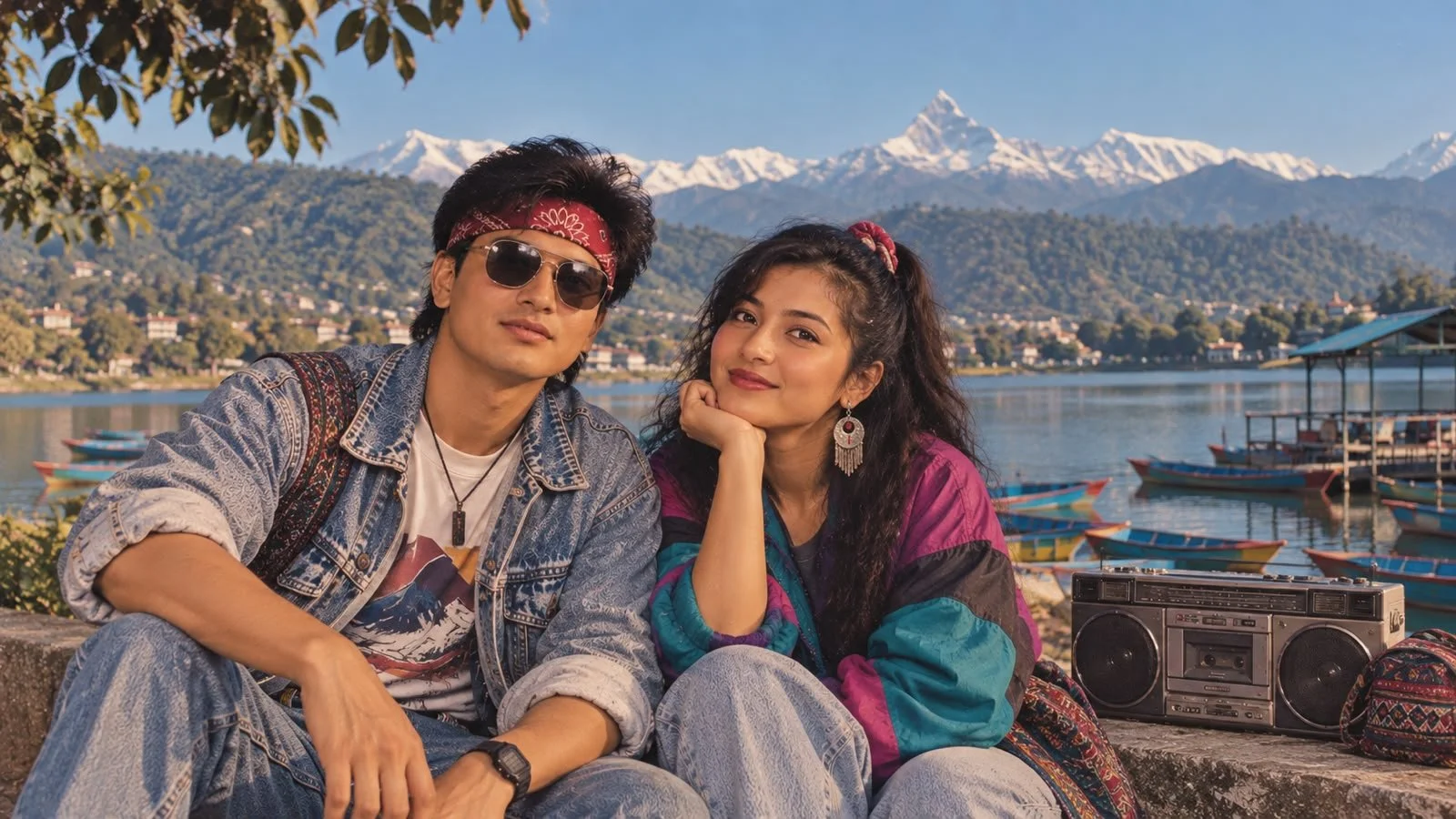
Photo: AI-generated by ChildSafeNet
A few days ago, I noticed a celebrity in her 30s sharing several photographs of herself on social media. The hairstyle, clothes, make-up, lighting and even the texture of the photographs looked as if they had come straight from a photo studio in the 1980s. But she was not even born then. The photographs were generated by AI. They received thousands of likes and enthusiastic comments.
Then I noticed something interesting. People who had actually lived through the 1980s started opening their old photo albums. A popular artist in his 60s shared a real photograph of himself from that decade, playfully pointing out that he did not need AI to join the trend. His original photo also attracted a lot of attention. I found the contrast fascinating.
There is something fun about seeing ourselves transported back 40 years. The trend brings nostalgia for older generations and curiosity for younger people who never experienced the 1980s. But as someone who works on children's digital safety, it also made me think about another side of the story. What are we giving AI in return for a few moments of fun?
From South Asia to a Global AI Trend
The AI-generated 1980s retro-photo trend is not confined to South Asia, although the region appears to be one of its strongest centres at the moment, particularly India and Bangladesh. It has also become increasingly visible in Nepal. The trend has spread internationally in recent days. Reports indicate that versions of it are appearing in the United States and the Middle East. The broader retro-AI phenomenon includes American-style 1980s mall portraits, European-inspired vintage looks and Bollywood-style transformations. Brazilian media have also reported on the “How would I look in the ’80s?” trend circulating on Instagram.
There are regional differences. Reporting based on Google Trends suggests particularly strong interest in India, substantial activity in Bangladesh and emerging interest in countries such as Saudi Arabia. There is evidence of participation elsewhere, but it would be too early to say that this particular trend is equally popular across Africa, East Asia or other regions. Still, one thing is clear: this is no longer simply a South Asian phenomenon. Celebrities and influencers have helped the trend spread. Young people, including Gen Z, are following it and creating their own ’80s versions.
We have seen this before. One month we are turning ourselves into cartoon characters. Then we become action figures or dolls. Another trend shows what we might look like when we are 70. Now we are going back to the 1980s.
The technology is fascinating. Upload a photograph, describe the look you want, and, within seconds, AI can transport you into another decade. But asking AI to transform our face is different from asking it to write a poem or summarise a document. We are giving the system something very personal: our photograph.
A photograph is more than a photograph
During ChildSafeNet's digital safety training sessions, I often talk with children, parents and teachers about privacy. One of the things we encourage participants to do is look beyond what they can immediately see on their screen. A photograph is a good example.
We usually think of it simply as a picture. But a photograph can reveal much more: our face, approximate age, surroundings, relationships, school, workplace and sometimes even our location. Depending on the technology involved, facial imagery can also be analysed to derive information about facial characteristics. This matters because our face is different from many other pieces of personal information. If a password is compromised, we can change it. We can change a phone number or an email address too. We cannot normally change our face.
This does not mean that every photograph uploaded to an AI service automatically becomes biometric data or goes into a facial-recognition database. We should be careful not to exaggerate the risk. Different services process photographs differently, and their policies vary. Some may delete images after processing. Others may retain uploaded or generated images for certain periods or purposes. Depending on the service and its settings, content may also be used to improve products or AI models. The question, therefore, is not simply whether AI photo tools are safe or unsafe. We need to know what happens to our photograph after we upload it.
Are AI companies creating these trends to collect our faces?
I have heard this question more frequently as AI photo trends have become popular. When thousands, or potentially millions, of people suddenly start uploading clear photographs of themselves to AI systems, it is reasonable to ask what happens to all those images. But we should not turn a reasonable concern into an unsupported claim.
There is currently no credible evidence that the ’80s photo trend was deliberately created by an AI company to collect people's photographs for training. Trends can emerge organically and then grow very quickly as celebrities, influencers and ordinary users copy and share them. Rather than speculating about who created the trend, I think there are more useful questions to ask. Who receives my photograph? How will it be processed? Will it be stored, and if so, for how long? Could it be used to improve or train an AI system? Is it shared with third parties? Can I opt out? Can I delete my data later? These questions will remain important long after the ’80s trend disappears. And it will disappear. Another AI craze will take its place.
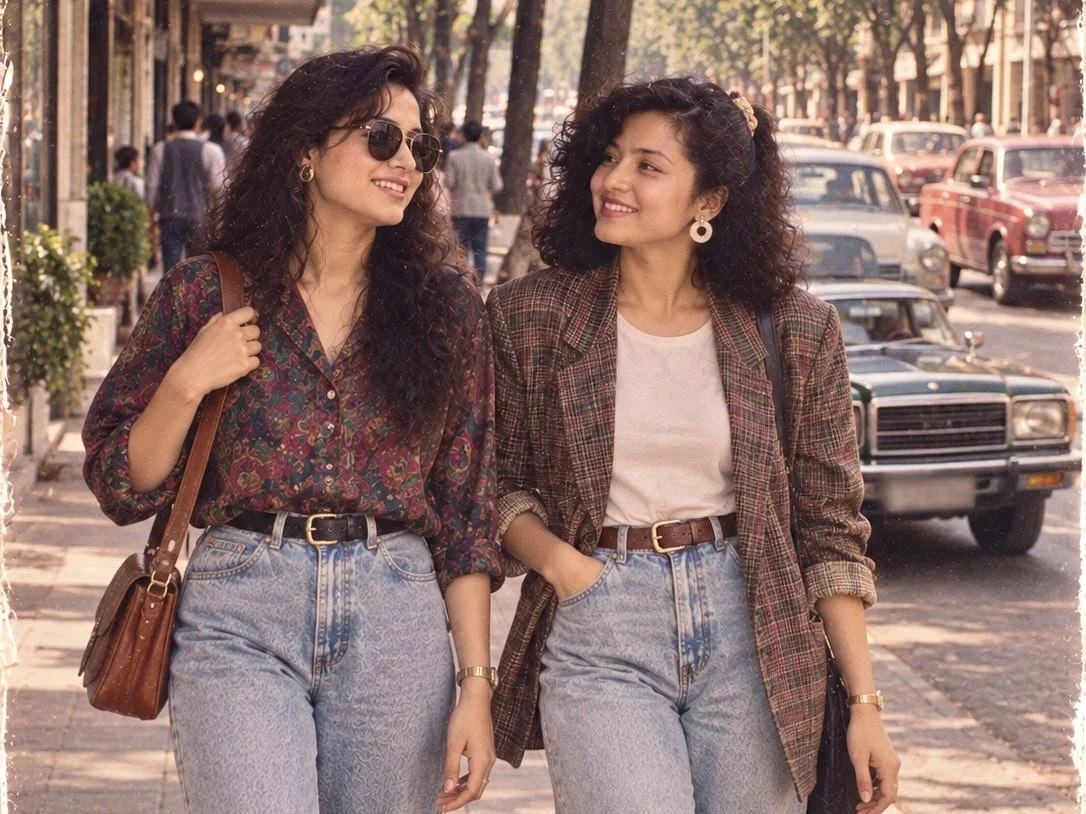
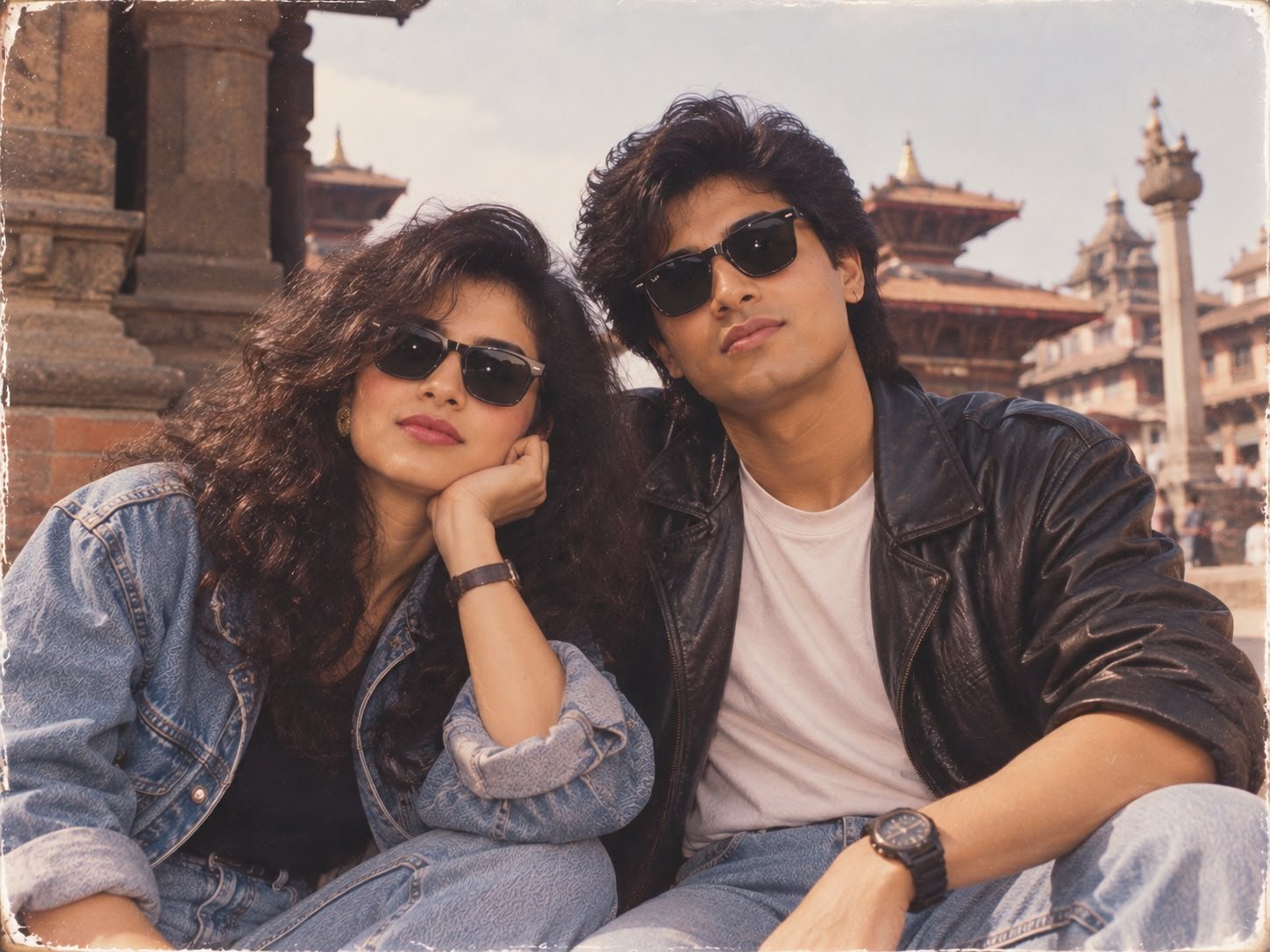
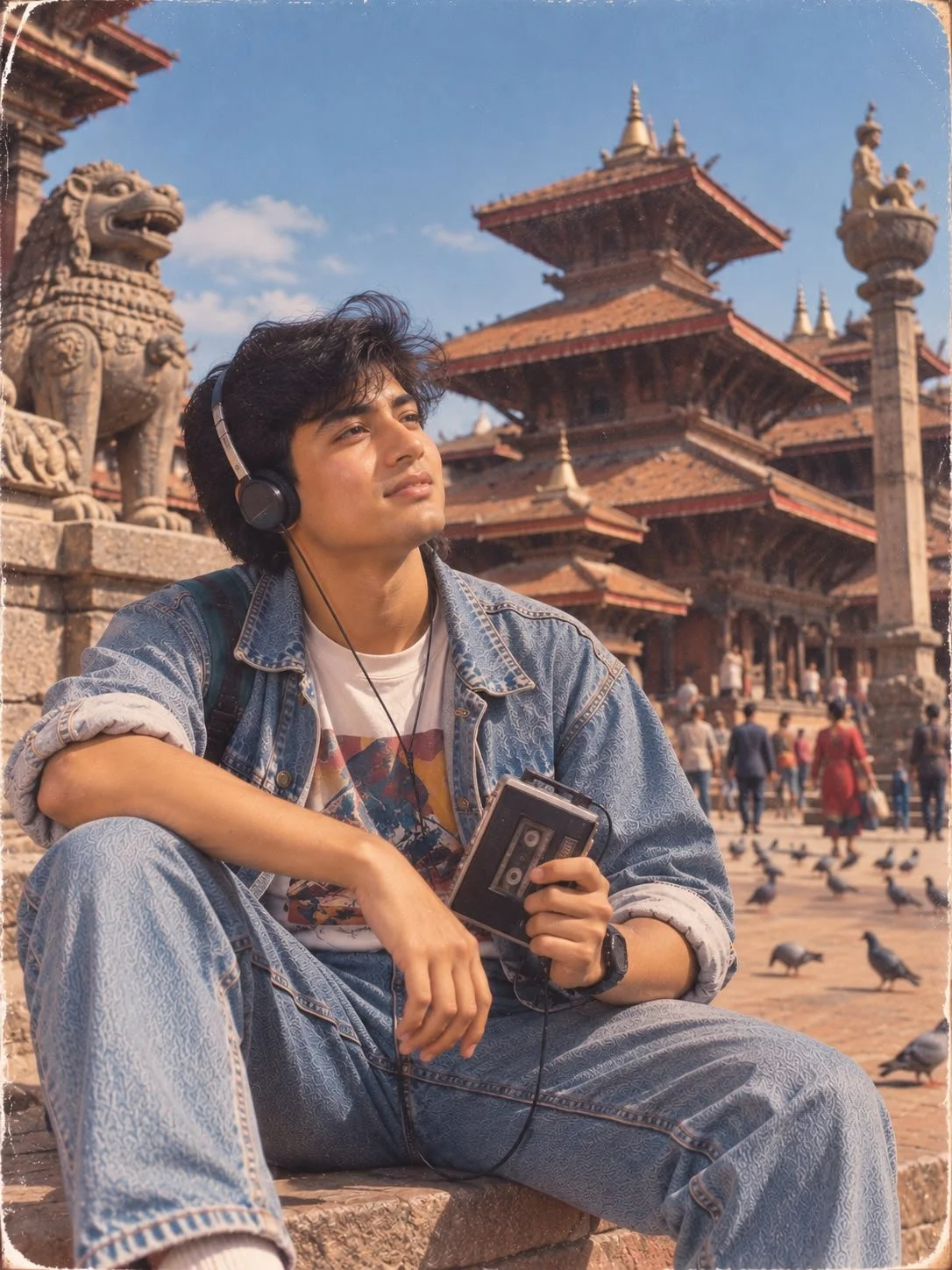
When children join the trend
This is where I become particularly concerned. Children and teenagers naturally want to take part in popular trends. They see celebrities, influencers and friends doing something entertaining and want to try it themselves. But how many 13-year-olds will read a privacy policy before uploading a photograph? For that matter, how many adults do?
Terms such as data retention, facial processing, third-party processors and AI model training are difficult even for many adults to understand. Expecting children to make fully informed decisions based on lengthy legal documents is unrealistic. We also need to think about what adults are doing.
Parents often upload photographs of their children. An AI-generated ’80s portrait of a child may seem harmless and amusing. But has the child been asked whether they want their photograph uploaded to an AI service? Do the parents know what will happen to the original photograph afterwards?
These are not arguments against using AI. They are questions about children's privacy, dignity and participation in decisions concerning their own digital lives. At ChildSafeNet, we believe children should be able to enjoy the opportunities of the digital world without having to trade away their privacy to participate. The responsibility cannot rest only with children and parents. Technology companies must make their products safe, age-appropriate and privacy-respecting by design. A long privacy policy or a box saying “I agree” is not enough.
What can we do?
There is no need to panic about AI or stop experimenting with it. AI offers enormous opportunities for learning, creativity, accessibility and expression. I use AI myself and see its potential every day.
The answer is to use it with greater awareness.
Before uploading a photograph, particularly a photograph of a child, I would suggest checking a few things:
Know the tool you are using. Be cautious about unfamiliar apps and websites that suddenly become popular because of a viral trend.
Check what happens to your photograph. Find out whether it is deleted, retained, shared or potentially used to improve or train AI systems.
Look at your privacy choices. Where possible, review the settings rather than automatically accepting the defaults.
Look at the whole photograph. A school uniform, identity card, house number, document or another person in the background may reveal information you did not intend to share.
Respect other people's photographs. Having someone's picture on your phone does not necessarily give you permission to upload it to an AI service.
Take extra care with children's images. Think about their privacy, dignity, consent and future digital footprint.
AI companies have responsibilities too. They should explain, in language ordinary users can understand, what happens to uploaded photographs, how long they keep them, whether they use them to improve or train AI systems, and whether third parties have access to them. For children, stronger and age-appropriate safeguards should be built in from the beginning.
The ’80s had one privacy advantage
There is a certain irony in all this. In the real 1980s, we took photographs on film. We waited for the film to be developed, put the photographs into albums and showed them to family and friends. Some of those photographs remained in the same family album for 30 or 40 years. Today, we can recreate the look of those photographs in seconds using technology that would have seemed like science fiction at the time. That is remarkable progress.
But perhaps those old photo albums have something to teach us too. We do not have to upload every photograph. We do not have to participate in every trend. And enjoying technology does not mean that we should stop asking questions about it.
So enjoy the nostalgia. Experiment with AI. Have fun seeing what you might have looked like in 1986.
But before uploading your face, or particularly your child's face, think for a moment. Who am I giving this photograph to? What will happen to it afterwards? How long might it be kept? Would I make the same decision if everyone else were not doing it?
Sometimes digital safety begins with something as simple as thinking before we click Upload, Post or Share.
Anil Raghuvanshi is a child protection specialist and Founding President of ChildSafeNet.